


Similar Posts
Lesson 2: History Through Art
Although idealized, the painting A Late West Coast Culture Village Scene by M. Francois Girard, was carefully researched under contract with the Canadian Museum of Civilization to illustrate many of the major characteristics of Late West Coast culture. What does this work tell us about life for these people before the coming of the Europeans,…
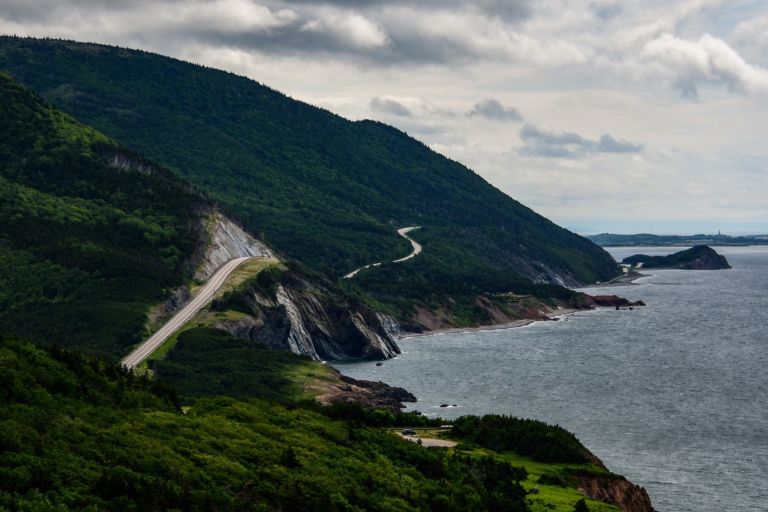
Cape Breton Island
Cape Breton Island is an island on the Atlantic coast of North America and part of the province of Nova Scotia, Canada. The 10,311 km2 island accounts for 18.7% of Nova Scotia’s total area. Although the island is physically separated from the Nova Scotia peninsula by the Strait of Canso, the 1,385 m long rock-fill…
Residential Schools in Canada – Questioning Critic
In his article They Would Call Me a “Denier” – Let Me Explain what I Believe about Residential Schools in Canada, Rodney Clifton challenges the current narrative from his own lived experience. This post provides a short-read summary as the author uses critical thinking skills to challenge claims of ‘murder’ in residential schools. Drawing on…
Lesson 3: History Through Art
The painting titled “Pocahontas” was commissioned in 1870. How can we think critically about this painting to determine if is an accurate depiction or another example of a false narrator? Mr. McMurtry looks at the history that is known about the time of the story portrayed in the painting, and clues to discover more about…
Historical Fiction Enhances the Study of History
Six reasons historical fiction will enhance your students’ understanding of history. You’ll see many living books and novels listed in our curriculum guides – books which will enhance the lesson or topic. Canada’s Native Long Ago includes many stories, including by First Nations authors as much as is possible. See our various book bundles for…
The Fur Trade in Canada
The beaver, pictured on Canada’s first postage stamp, is an iconic Canadian symbol. Beavers have a historical place in the settling of Canada. The fur trade was an economic enterprise across the wilderness of North America’s northern forests for 250 years from the early 17th century. Dominated by the trapping of beavers for the European…