

The Bluenose of Nova Scotia
The most famous ship in Canadian history, the Bluenose was both a fishing and racing vessel in the 1920s and 1930s. The Nova Scotia schooner achieved immortality when its image was engraved onto the Canadian dime.

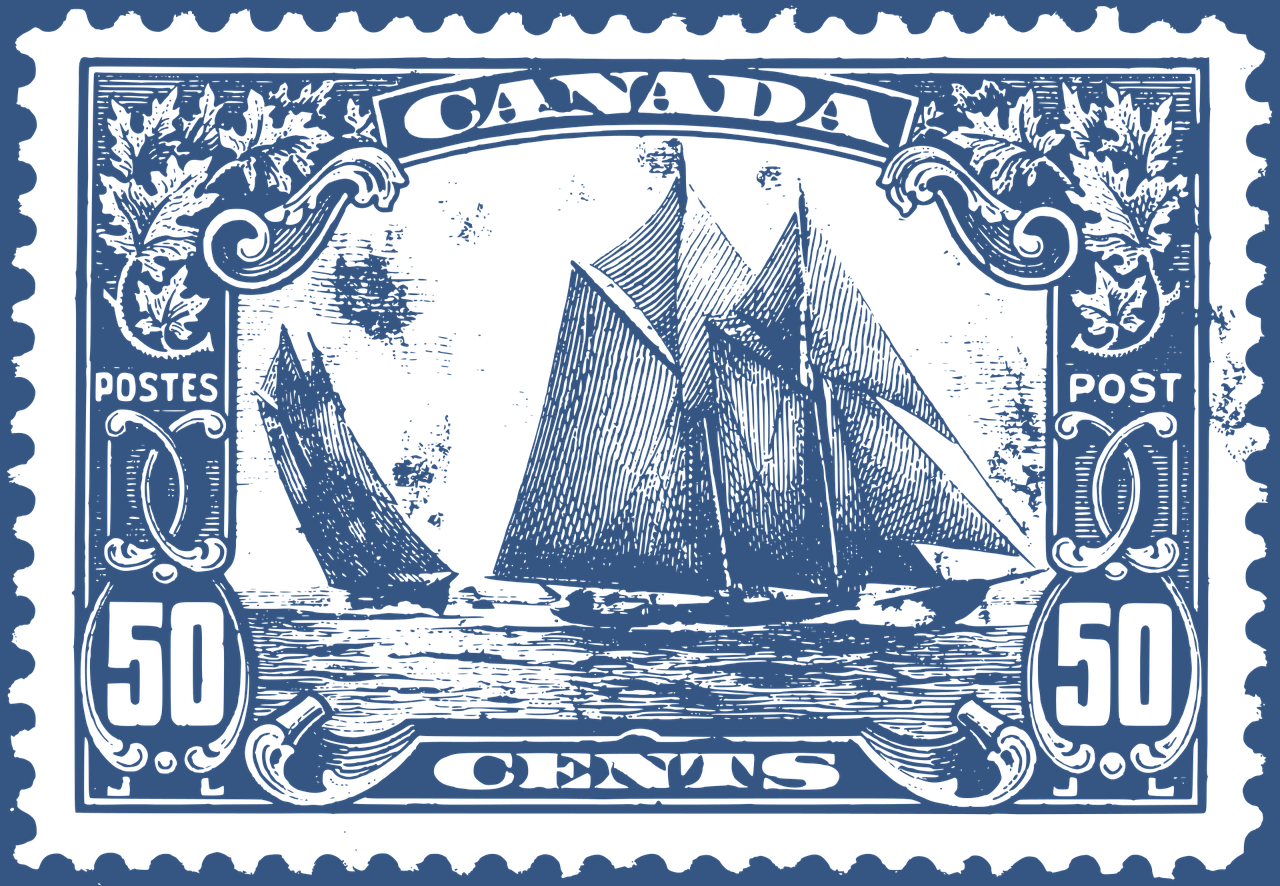
The most famous ship in Canadian history, the Bluenose was both a fishing and racing vessel in the 1920s and 1930s. The Nova Scotia schooner achieved immortality when its image was engraved onto the Canadian dime.

Alberta is a western province of Canada. It is one of only two completely landlocked provinces. It boasts some of the most beautiful locations in Canada, including Banff, and Lake Louise. The 10 day Calgary Stampede is famous around the world. Alberta was named after Princess Louise Caroline Alberta, the fourth daughter of Queen Victoria…
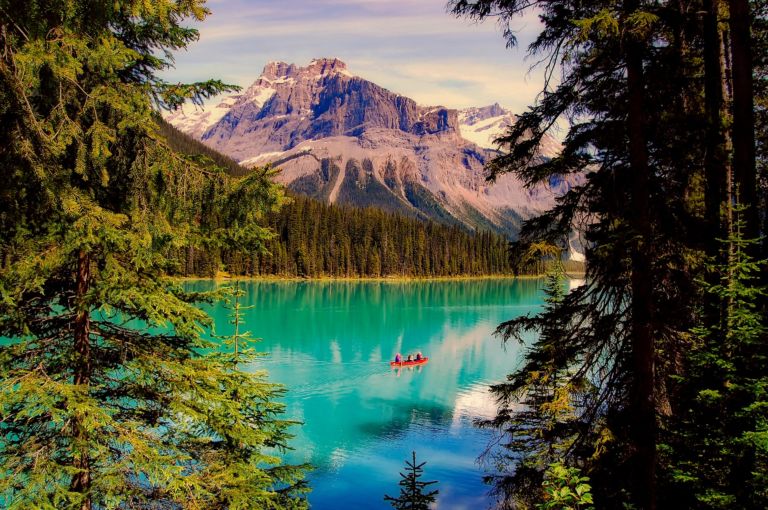
Explore the Yukon with the adventure, mystery and story it brings! The Yukon, Canada’s northwest territory, is wild, mountainous and still a vast underpopulated wilderness. Canada’s highest peak, Mount Logan, glaciers, wild ice aqua rivers and trails are part of the mystique of this storied land. Dawson City Sourdough The Dawson City Historical Complex commemorates…
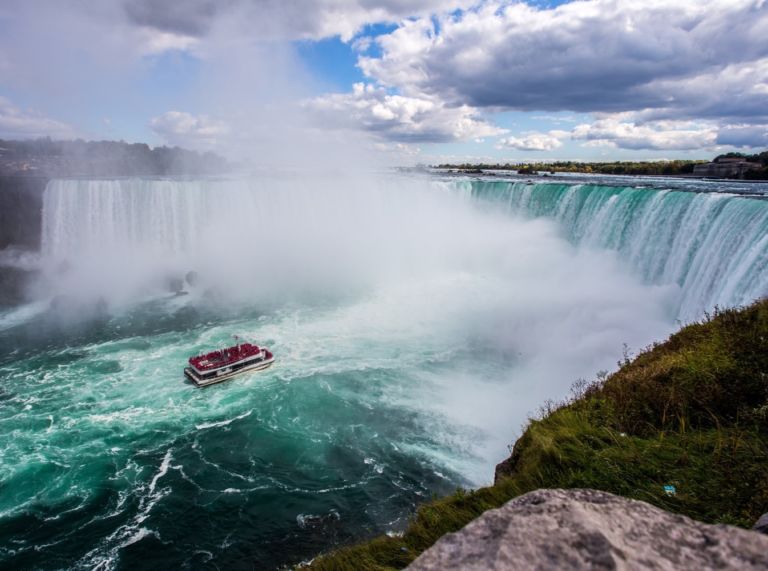
Ontario is a province of Canada. Located in Central Canada and is Canada’s most populous province, with 38.3 percent of the country’s population, and is the second-largest province in total area. It is home to the nation’s capital city Ottawa, and the nation’s most populous city, Toronto which is also Ontario’s provincial capital. The great…
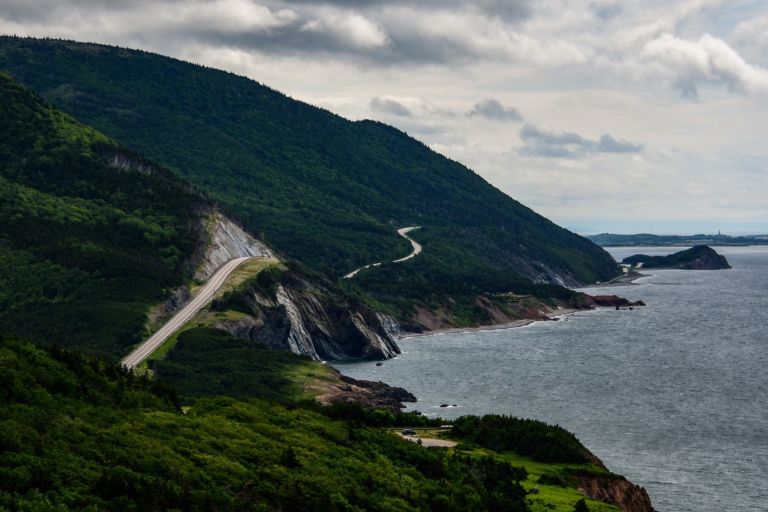
Nova Scotia is one of Canada’s three Maritime Provinces, and one of the four provinces that form Atlantic Canada. Nova Scotia, which includes Cape Breton Island has over 3,800 coastal islands and a whopping 13,000 plus km of coastline. You can see why most of the population lives and works in a coastal community. The sea…
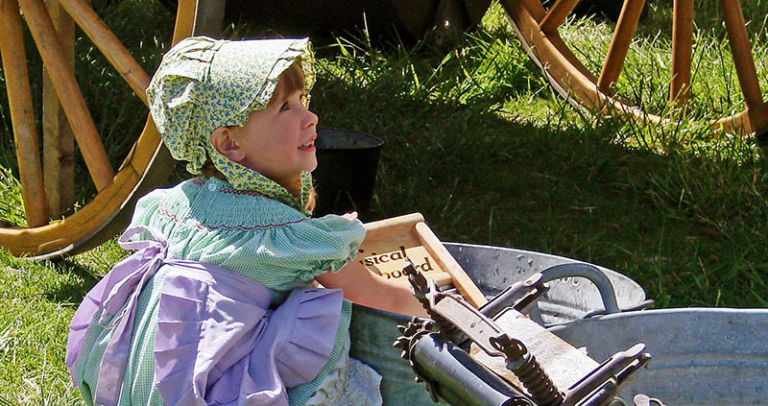
Loyalists who came by land to Quebec and Ontario brought their belongings in covered wagons. Click on the button below for printable craft instructions for a Covered Wagon Craft made with craft supplies around the house. Bonnets – In New France, women and girls wore coifs or caps all the time. Different caps were…

The beaver, pictured on Canada’s first postage stamp, is an iconic Canadian symbol. Beavers have a historical place in the settling of Canada. The fur trade was an economic enterprise across the wilderness of North America’s northern forests for 250 years from the early 17th century. Dominated by the trapping of beavers for the European…
Join our newsletter to be the first to get new updates, freebies, and our PDF catalogue to browse.